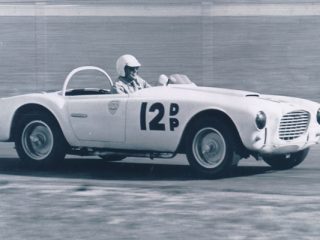
Over the past two decades, we have undertaken many noteworthy restoration projects, some of which have been particularly risky ventures. A prime example is the Fiat 1100 E Zagato, which was a subject of derision when it was first offered for sale.
Restoring a car is never a straightforward task. The sheer number of incomplete projects available for sale testifies to the difficulties involved – you have been warned!
The challenge
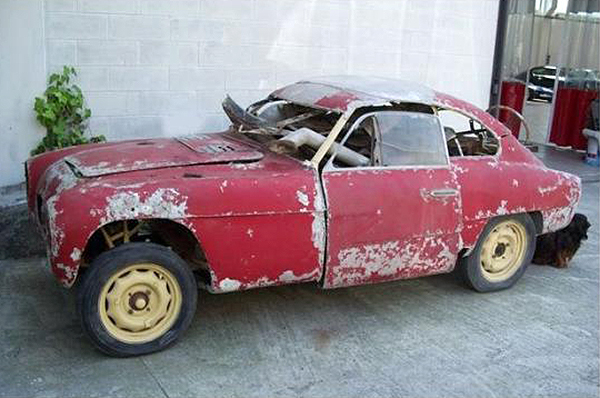
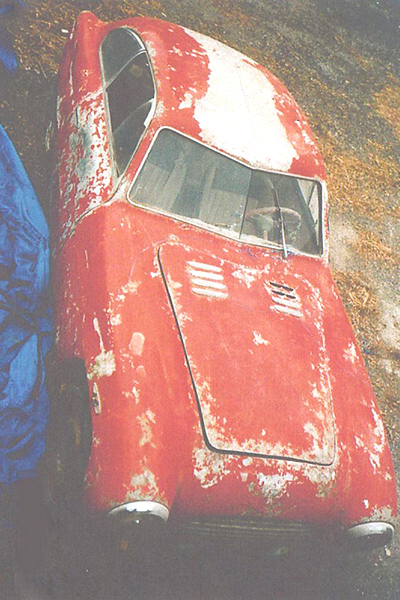
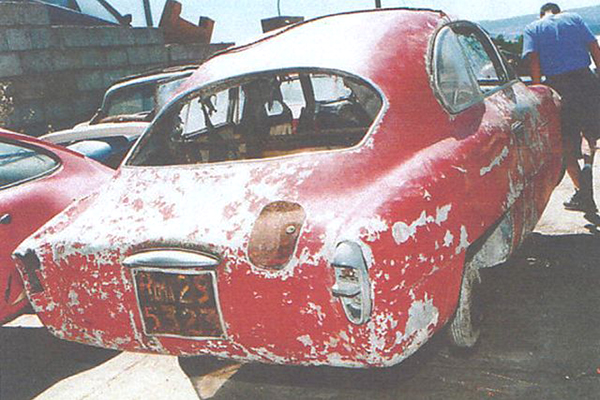
This vehicle was one such challenge for us. We first discovered the car advertised online, and it appeared incredibly dilapidated in the photographs, with some showing the worn-out body placed next to it, revealing a structure akin to a skeleton. One picture featured a collie dog next to the car, prompting humorous reactions in the comments under the ad, such as “I hope it comes with the dog!” and other messages from people doubting the likelihood of the car ever running again. Despite the ridicule, we could see this was something special and immediately recognised its potential as a ‘diamond in the rough’ – and an exceedingly rare one, too.
The base vehicle, Fiat’s 1100 E, designed by Dante Giacosa, was produced between 1949 and 1953. At that time, it was far from the humble-looking car it may seem today, being mostly unaffordable for the average Italian. An ordinary worker might afford a Fiat 500 Topolino, costing 8,900 Italian lire, equating to 20 months’ salary of a skilled worker. However, the 1100 E was a significant upgrade with double the capacity, power, and space. It required a substantial income to purchase one, especially considering horse-drawn carriages were still common on Italian streets well into the 1960s.
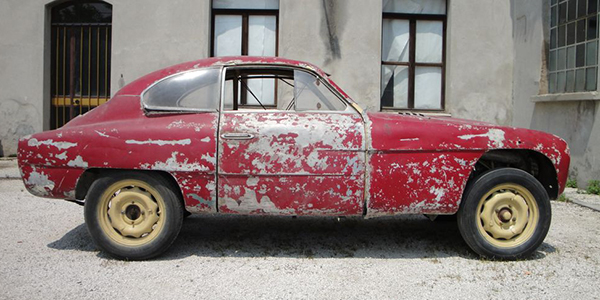
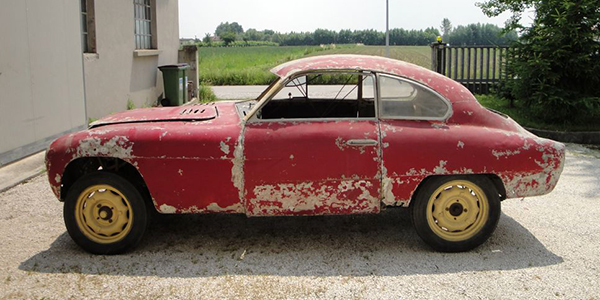
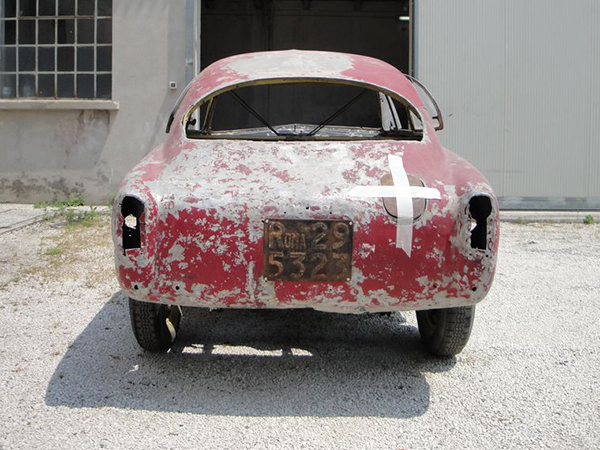
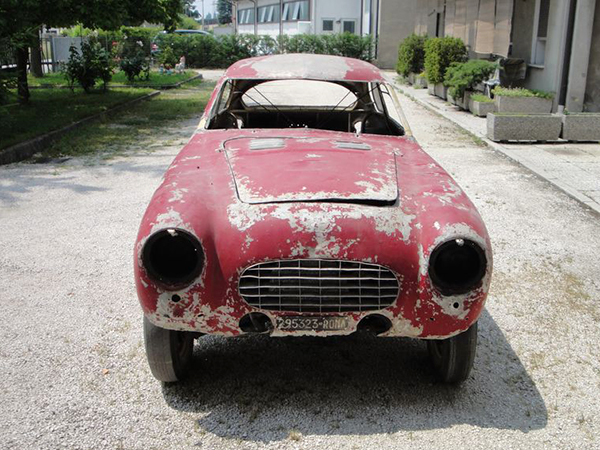
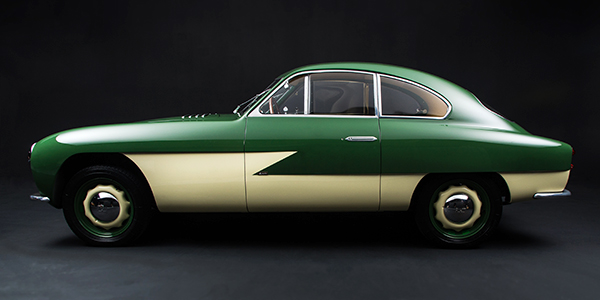
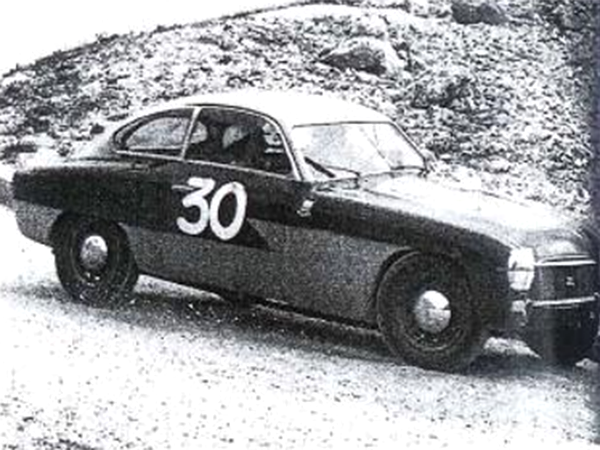
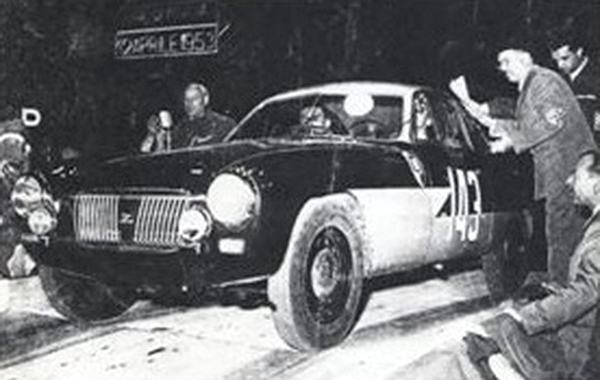
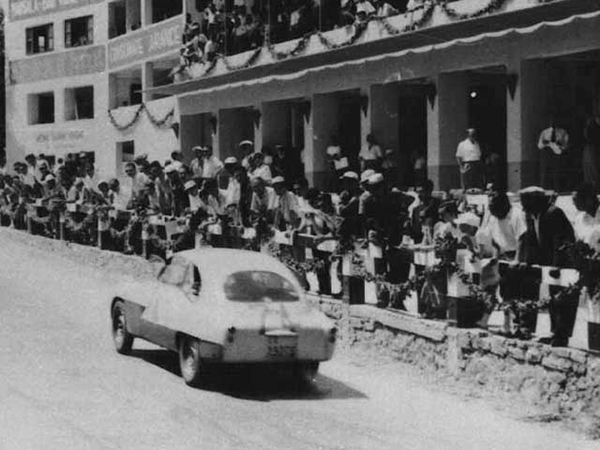
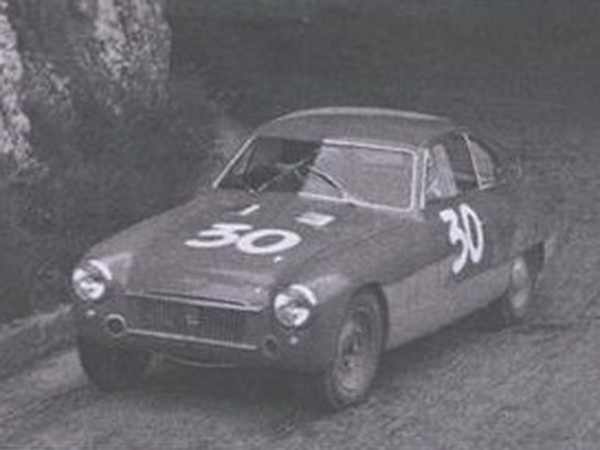
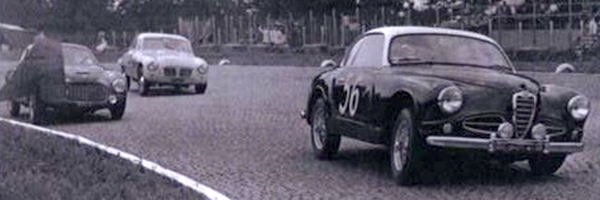
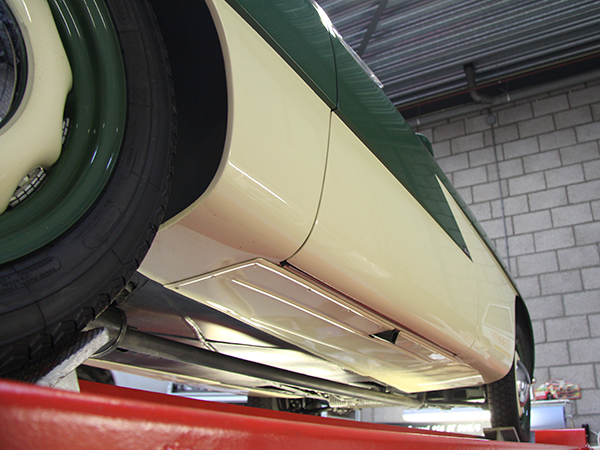
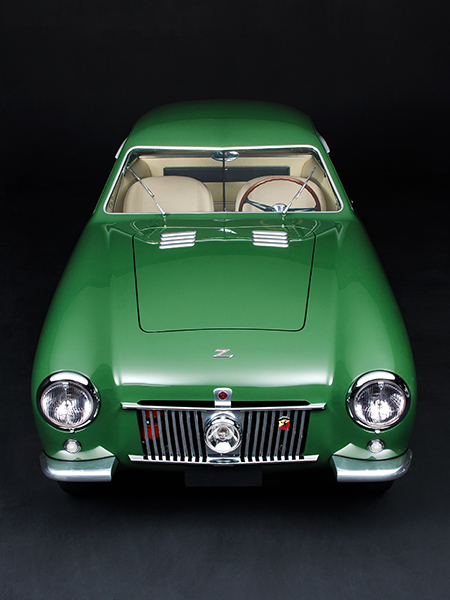
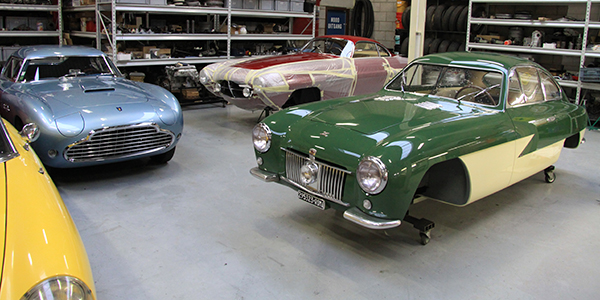
But this being Italy in the 1950s, there was a market for bespoke coach built variants commissioned by wealthy clients wanting to race or rally their cars. Zagato applied his expertise to the 1100 E, producing a beautiful derivative using a Superleggera style space frame clad with an aluminium body, placed on the existing chassis. Several were made, each one different and unique. Our model, with its slightly bent panoramic rear window, is one of the most aesthetically pleasing examples that survives today. Its lines, recessed into the aluminium body to form the signature Z-shape, are a striking detail. This nimble and lightweight car handles exceptionally well through sharp turns and on winding roads.
A Dutch Strada e Corsa customer, who had spent much of his life in Venezuela, owned a 1100 S Mille Miglia with a special Gobbone body – which must have seemed an exceptionally original car in Venezuela. He and his friend sold it through us due to our experience with 8Vs. One of the owners quickly regretted the sale of the Fiat and requested that we search for a similar car. That’s when the advertised Fiat 1100 E Zagato reappeared! We soon discovered that it was with our Italian partner who handles the majority of our bodywork. We then contacted the owner in Brescia and took over the project.
Despite being well-informed and having seen all the detailed pictures, our customer was nevertheless shocked by the car’s condition when he first came to Italy to see it for the first time in person after he’d purchased it. While this project was indeed complex and demanding, we reassured him that it would look fine in the end. It took quite some time for him to mentally digest the idea. Sometimes it does seem as though we subscribe to tough and complicated restoration projects!
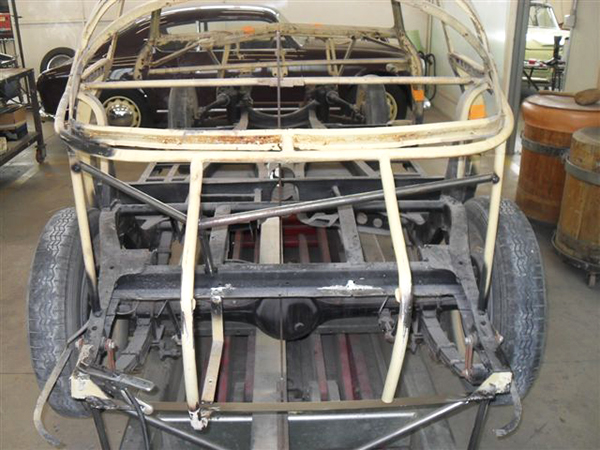
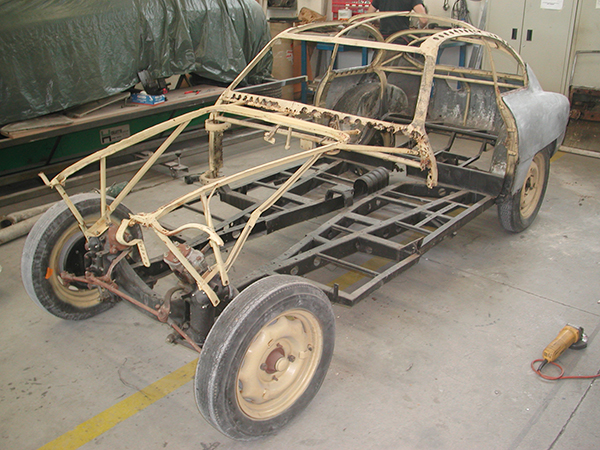
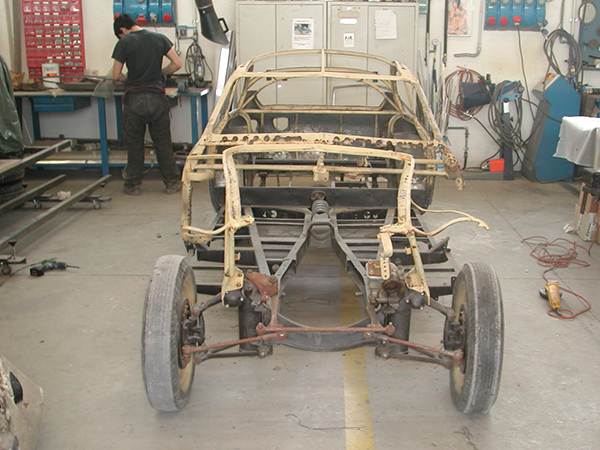
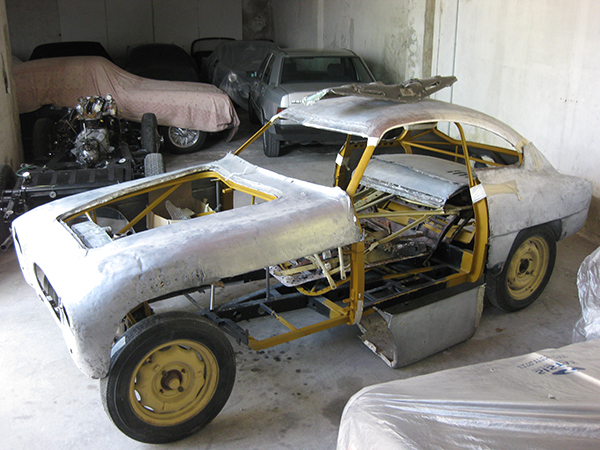
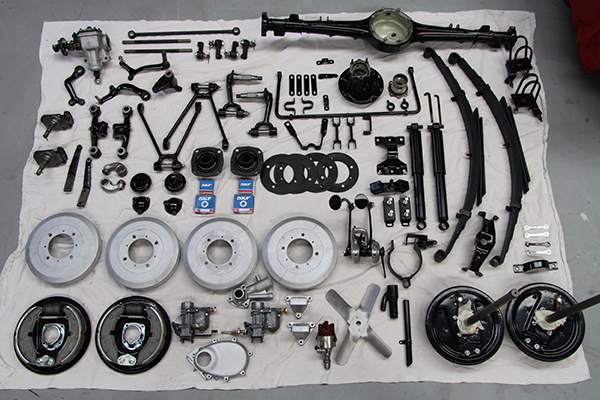
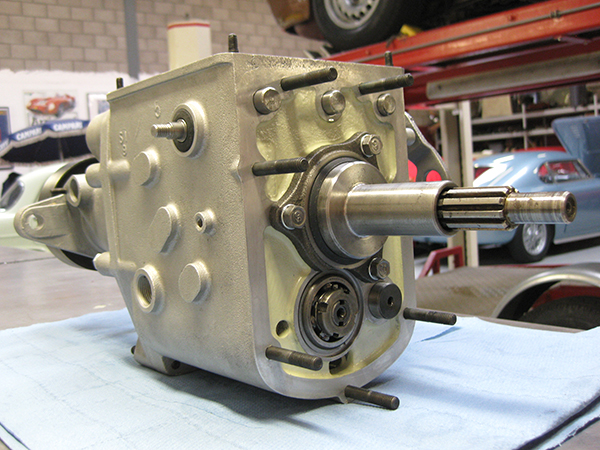
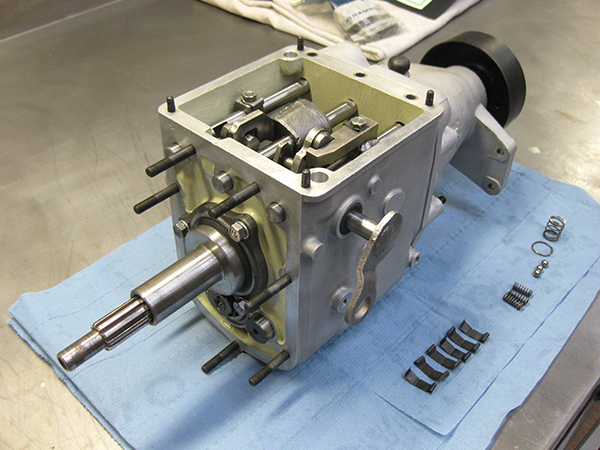
We collected the mechanical components ourselves in Italy, and even we were taken aback by their condition. The gearbox casting was severely corroded from the inside – not something we’d experienced before! The 3/16-inch bolts were so deteriorated by corrosion that you could use a 1/8-inch socket on them. We found out that the car had spent many years in a Sardinian scrapyard near to the coast, with the chassis and all the mechanicals exposed to salty seawater.
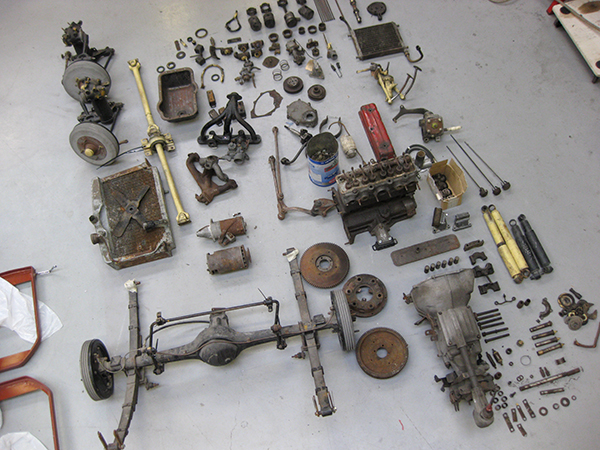
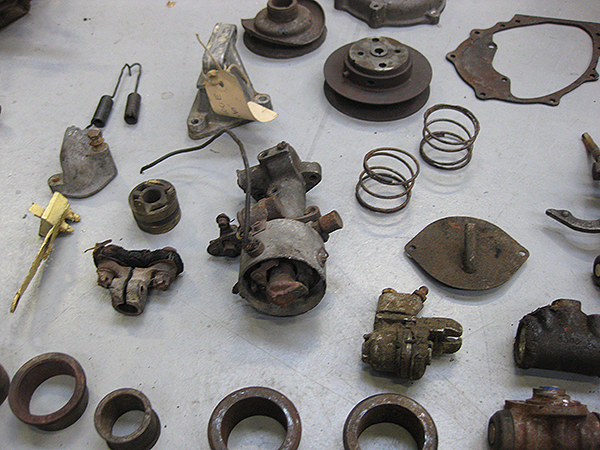
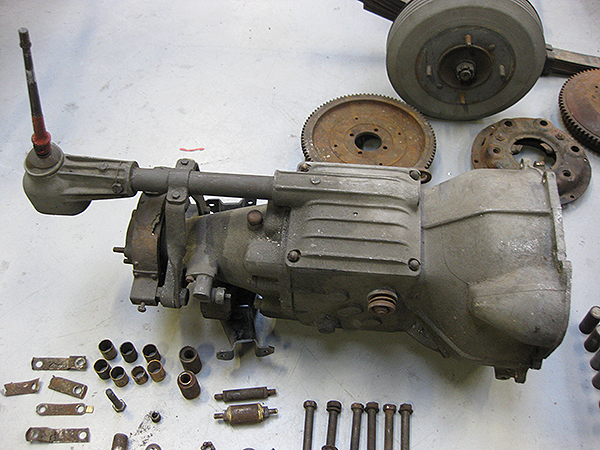
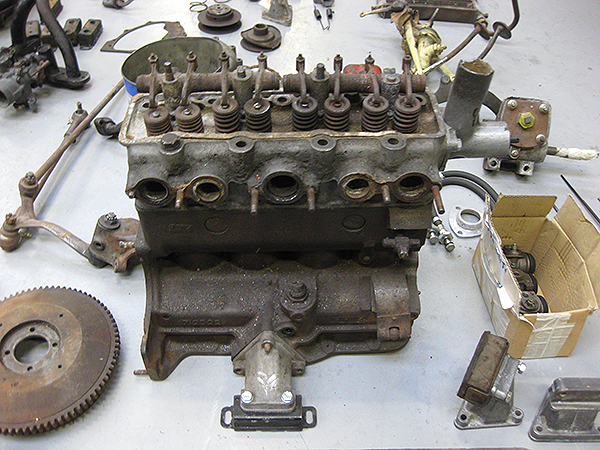
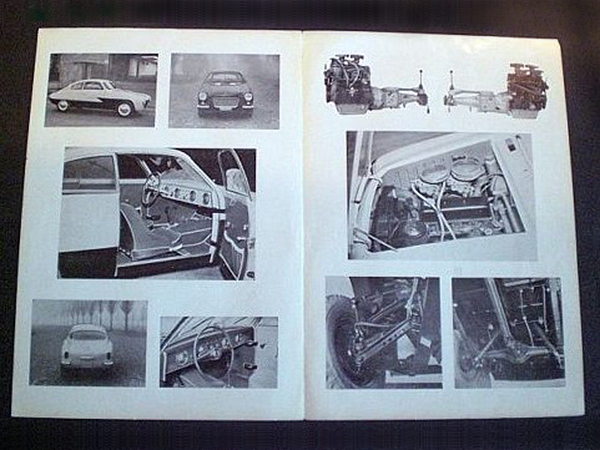
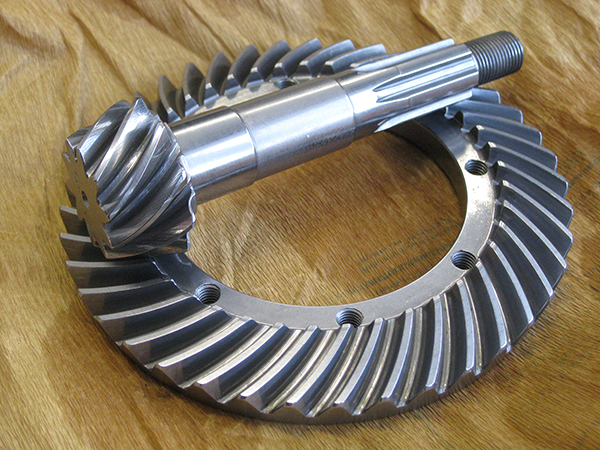
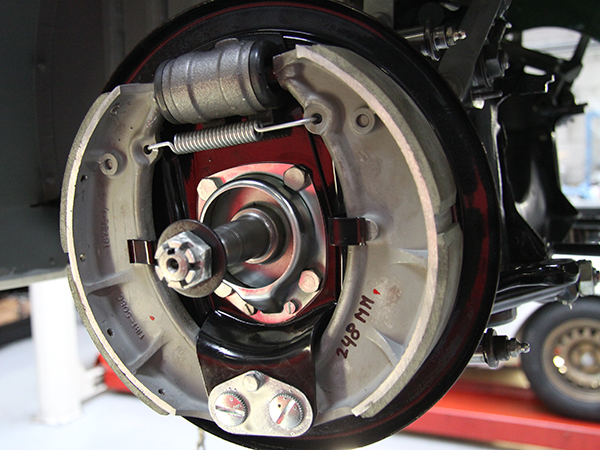
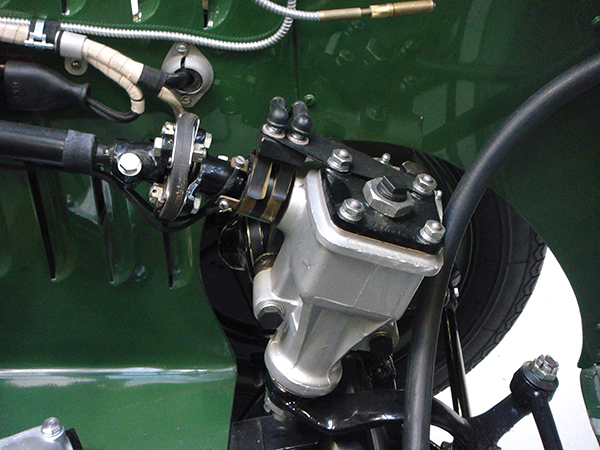
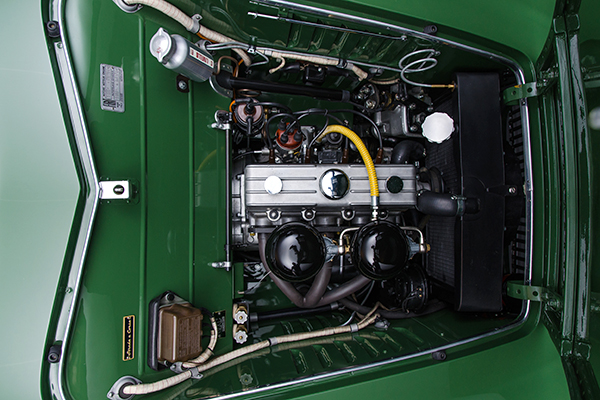
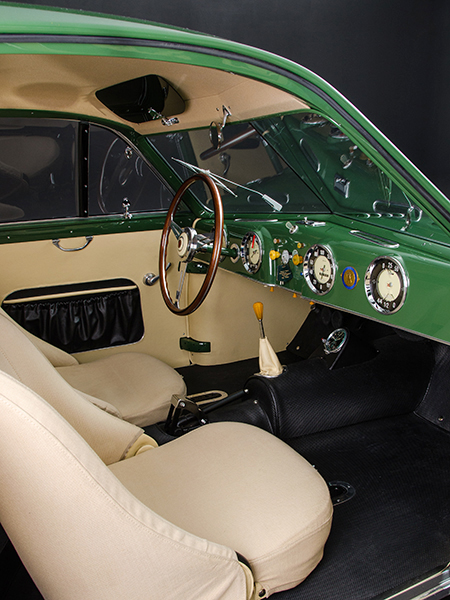
We then discovered that the mechanicals were not standard 1100 E parts either. The brakes, suspension and big radiator were all very different while the gearbox had its gears straight onto the lever. After purchasing a standard 1100 E project car, the distinctions became even more apparent. The project car proved useful though, supplying examples for all the clamps and brackets etc. We concluded that only about 50% of the car was standard 1100 E, with the rest being various tuned and modified parts. The larger oil sump with hollow cooling fins for advanced cooling and the special valve cover were just some of the unique features of the Zagato. Researching these components took considerable time, as there were no manuals or parts catalogues or even any parts/production documentation for custom-built cars like this.
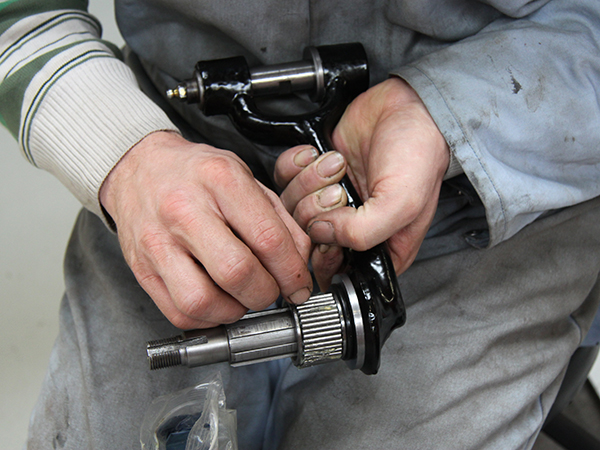
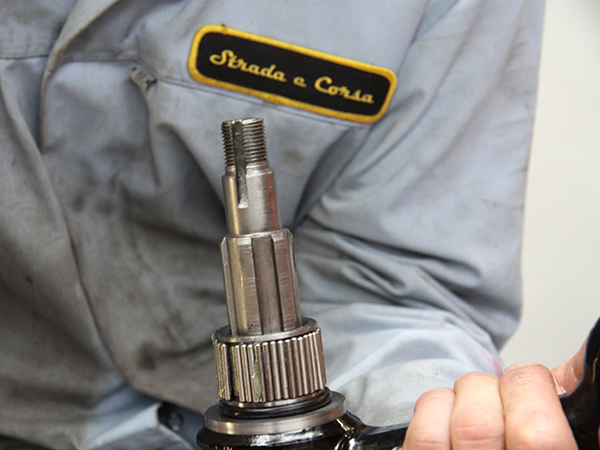
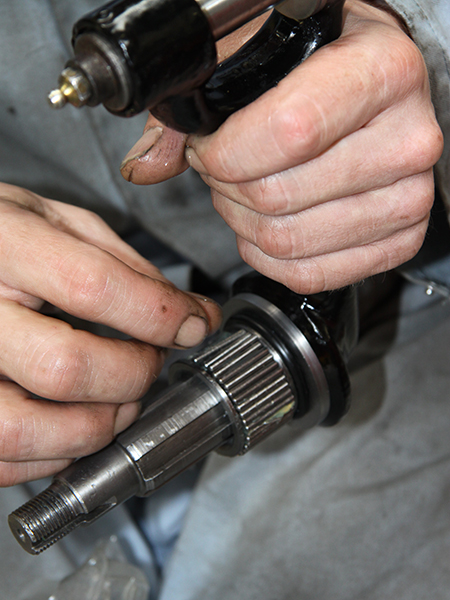
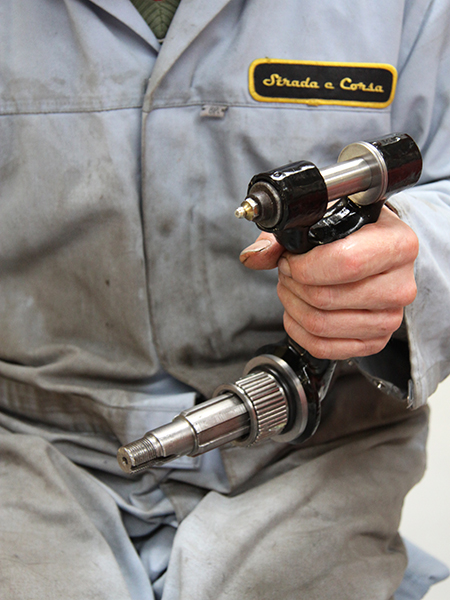
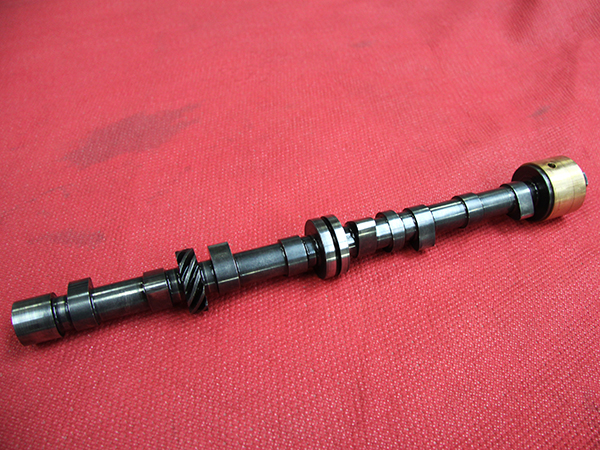
We did find the original engine specifications though and sent them to a British company specialising in the production of high-performance camshafts. They billeted one from scratch, along with an improved crankshaft with a considerably better design – the engine had considerably more power than the standard 1100 E after all. The power increased from approximately 32bhp to 75bhp, a 134% enhancement. We used handmade forged pistons, custom connecting rods, and restored carburettors from an Italian company with three generations of experience.
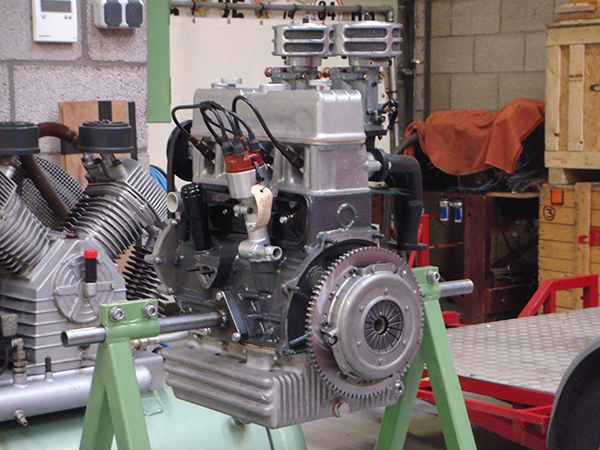
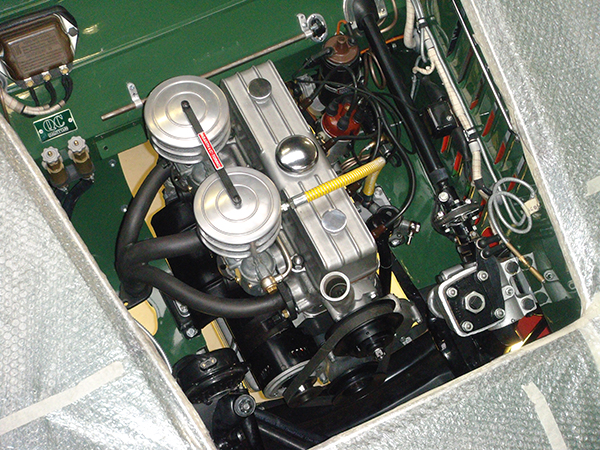
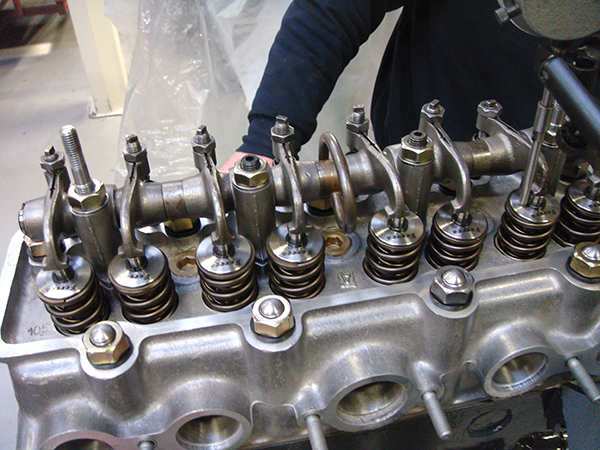
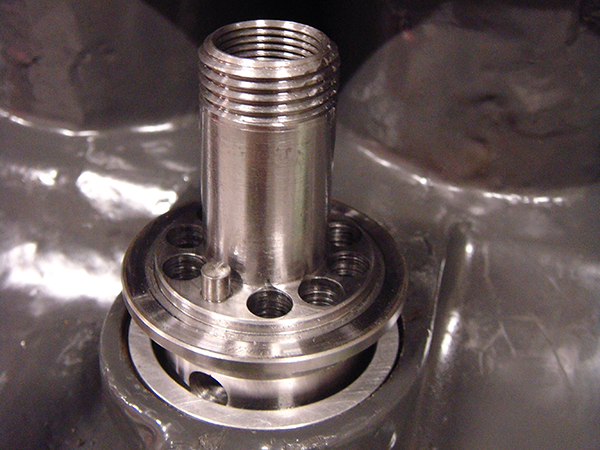
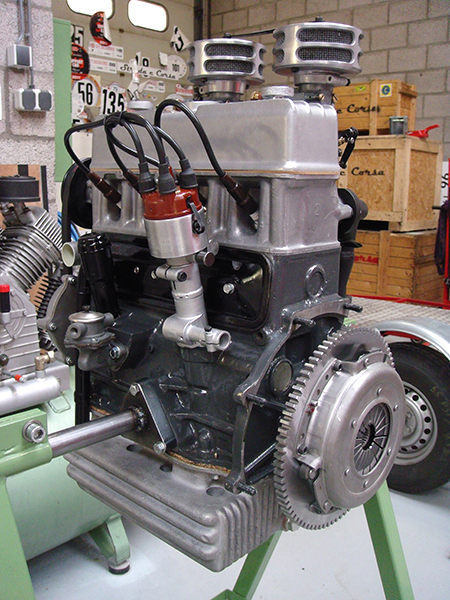
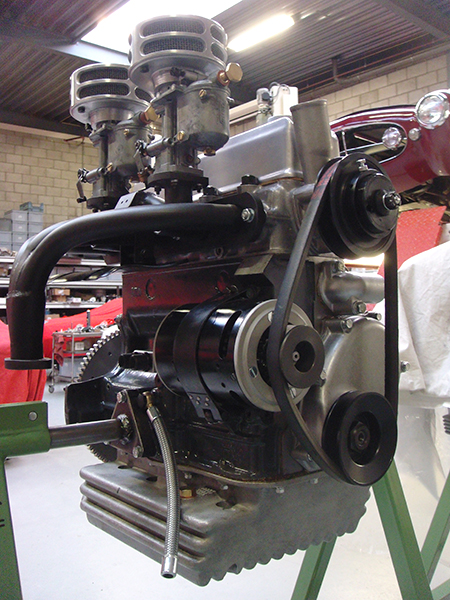
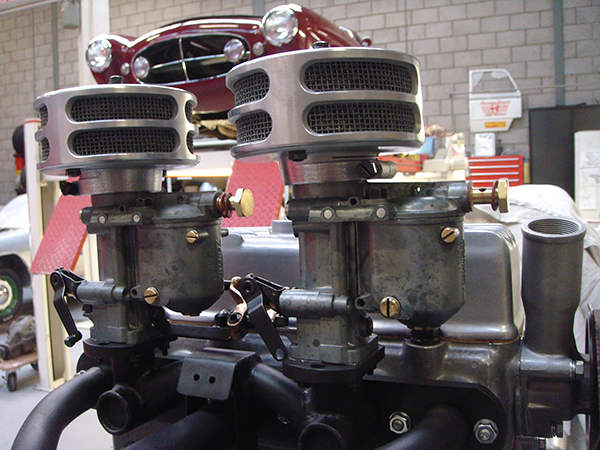
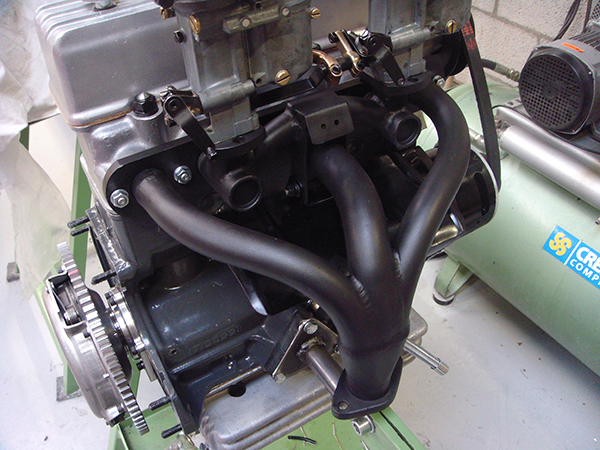
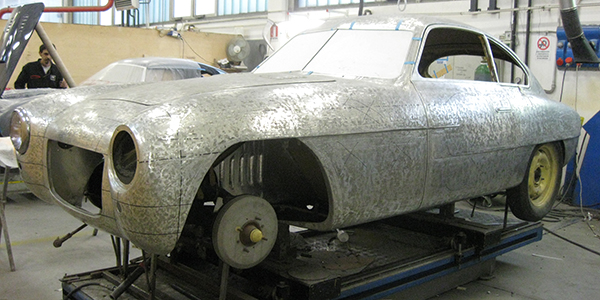
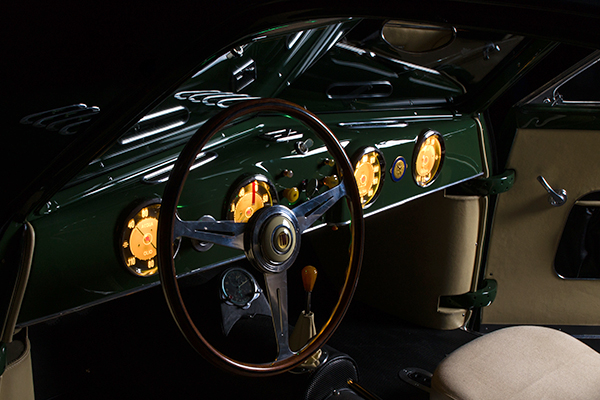
By 2014, all parts were painstakingly restored bolt by bolt, and the body was fully painted in its original ivory and green paint colours which we had found on the dashboard once the car had been stripped to the bare aluminium – it had been repainted red previously. The Italian body shop discovered that the louvres on and under the bonnet weren’t pressed into the aluminium as they usually are but were cast aluminium items placed on the body with small studs — another exquisite detail. The car was now ready for reassembly, with the engine fully rebuilt.
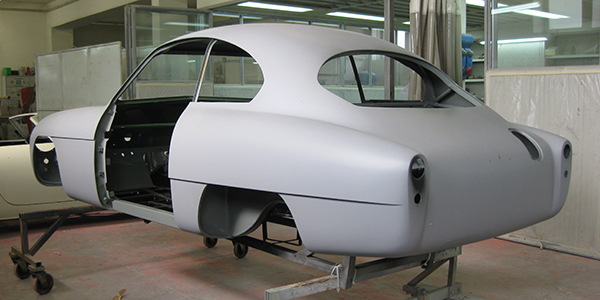
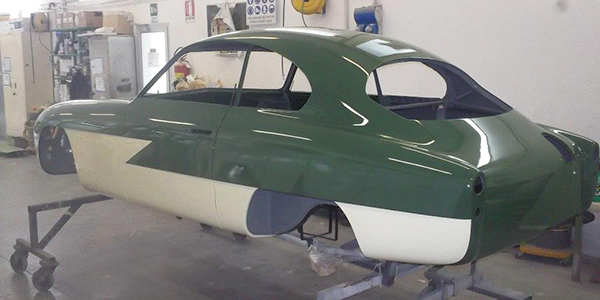
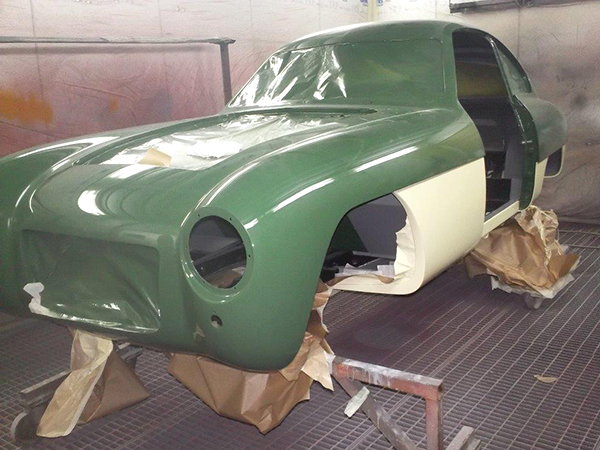
We made a few small modifications, such as upgrading the oil filter which had originally been nothing more than a tiny piece of mesh keeping out only the most basic dirt. From our experience with Fiat 8Vs, we knew that a full-flow filter with a paper element and aluminium housing existed at the time which would be a modification in keeping with the period, making it legal for an event such as the Mille Miglia. This modification helps improve the engine’s lifespan and cooling too. We also fitted double valve springs, and a lightweight flywheel billeted from one plate. The original Zagato welding quality (which wasn’t the finest) was improved as well.
Beautiful final result
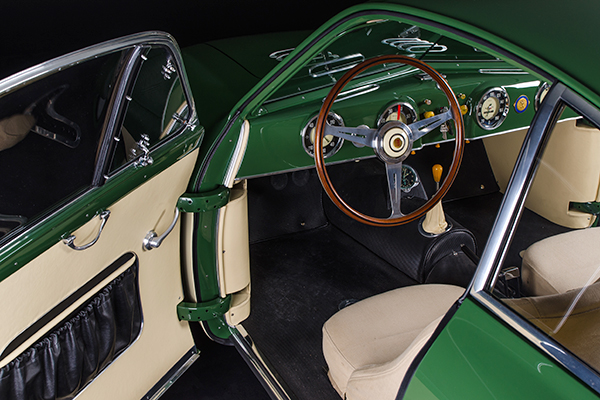
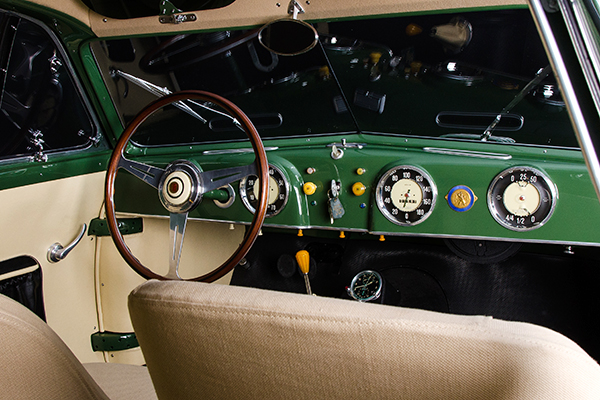
Thousands of hours were invested in this car’s restoration. The seats were made from scratch, using thin wooden framing around steel frames to attach the upholstery with little nails. We sourced the material from the original Italian company that had made the trim – it’s similar to vinyl but doesn’t stretch, making it perfect for automotive use. We also bought a huge piece of amber-coloured Bakelite to machine the interior switches, matching the original material of the gear lever which had survived remarkably well and was a great reference for us. The gauges were all destroyed, so new ones had to be made.
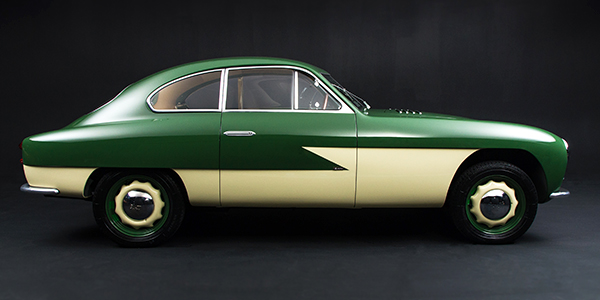
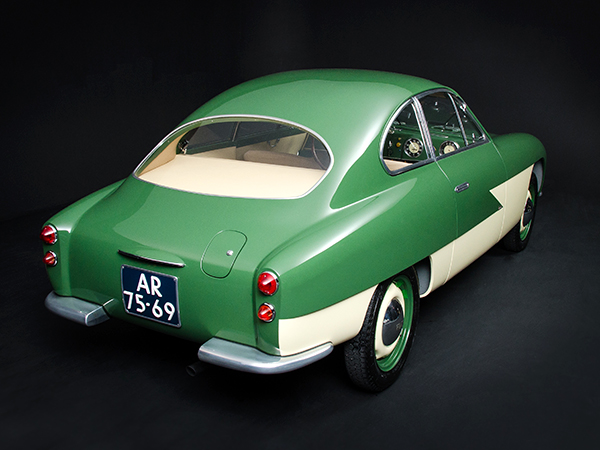
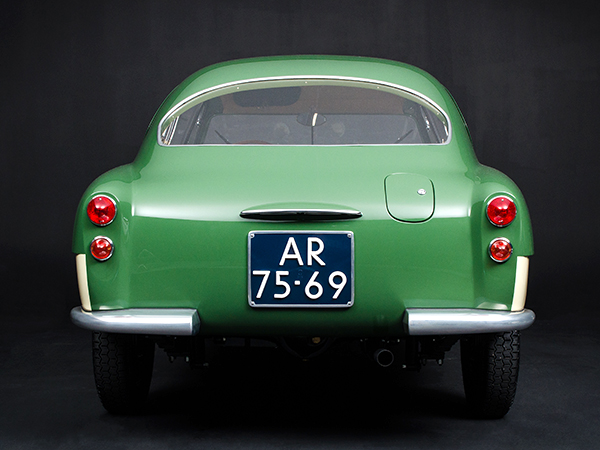
No expense was spared in the restoration. We drove it for over 500 test kilometres and placed it on the rolling road before delivery — it ran flawlessly. The owner’s aim had been to enter the 2014 Mille Miglia, so this was our deadline, and we completed the restoration just in time. The car was flagged off from Brescia, the same place where it had been picked up as a total wreck three years earlier.
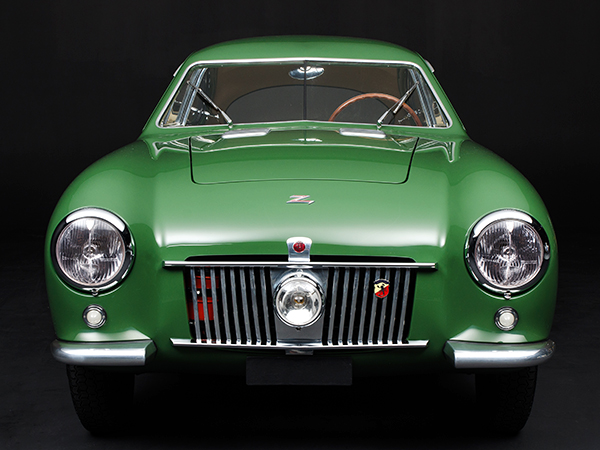
The intervening years on this project had been an unbelievable rollercoaster, but the stress of any restoration always fades into the background once the car embarks on its new life. Now is the time to drive it, use it, wash it, show it, and most of all, enjoy it! That’s how you will give it your own patina.
We hope you enjoy reading about our exciting adventures and endeavours and please feel free to contact us if you are interested to join us on one of these adventures in the future.
Best regards,
Lennart & Jurriaan Schouwenburg